

Bud Winter was one of the greatest Track and Field coaches who developed world class sprinters who competed globally and broke world records. How does a coach produce 37 world record holders, 27 Olympians, facilitate 3 NCAA championships and produce 49 NCAA records? Among with his athletic coaching skills, he helped his athletes master meaningful relaxation and sleep.
It all started in World War II, when he developed a relaxation and sleep training technique that allowed naval pilot cadets to be able to fall asleep within 2 minutes, in broad daylight, sitting upright wherever they landed, surrounded by the sounds of war. After 6 weeks of training, the relaxation and sleep training program demonstrated success in 96% of the cadets.
For those who have heard me speak or who are patients of mine, you know about this and you may have already begun your training. Here’s what you need to know.
- Every human has the ability to learn how to completely relax the mind and body. However, you may find it takes regular practice before you can appreciate how effective this is.
- True barriers to sleep:
- If you believe you can’t or won’t sleep, you won’t.
- If you move or think about activities or negative thoughts, you will need to settle down to sleep.
- Certain medications, supplements, drugs, and alcohol can interfere with your mind’s ability to get restful sleep.
- Untreated sleep apnea.
- When you can completely relax your body and then clear your mind for 10 seconds, you will automatically drift off to sleep if you need it.
- Steps to learning to completely relax your body:
- Get in a comfortable position, seated or laying down and begin deep belly breathing. Slow down your breathing.
- Begin progressive relaxation from your forehead and scalp. Begin by relaxing the muscles so that all the forehead wrinkles release. Breathe slow and steady.
- Move down to releasing your jaw muscles, the muscles around your eyebrows and eyes. Let your eyes get limp.
- Continue releasing the face, lips and mouth muscles.
- Breathe slow and steady as you work your way down your body, progressively relaxing each part of your body until you have relaxed down to your toes.
- If you want to sleep, after you are completely relaxed, you will then train your mind to be blank for 10 seconds. Bud winter recommends multiple ways to do this like visualizing laying in a canoe on a still lake, staring up at the sky or repeating simple words.
What’s so wonderful about this is, to know what’s possible. It’s possible for almost anyone to learn to completely relax the body AND to be able to fall asleep within a few minutes, no matter how stressful the awake hours might be.
We know the importance of relaxation and sleep on overall health and well-being, but also on performance. The world’s best athletes have learned how to relax completely between moments of competitive, intense focus, and they know how to get restful sleep. In the past, this training was available only to some. Now, we can all learn and benefit. Anyone who wants to, who practices, can and will be able to master this. I have seen the this work for children, adolescents and adults of all ages, for those who are already high achievers, those who are struggling and those who are just looking to acquire more tools for self care.
Allow yourself time for rest and sleep. Then, use that opportunity to master the ability to completely relax your body and be able to drift off to sleep whenever you need it. After you have mastered relaxation and sleep, you can tap into your best self. Think about the possibilities.
 We’ve heard that weight is all about the calories we consume. In fact, someone recently shared with me that she felt betrayed. She had been successfully losing weight eating very low carb, and had not been counting or restricting calories. She had been feeling so happy about her progress and how easy it was and how she had so much more energy that she had now been regularly working out for over 2 years. However, she recently heard that eating very low carb or “keto” was effective for weight loss because it cuts calories. This whole time, she thought it was being low carb that worked, not the calorie restriction. She felt “tricked.” Have you heard this too?
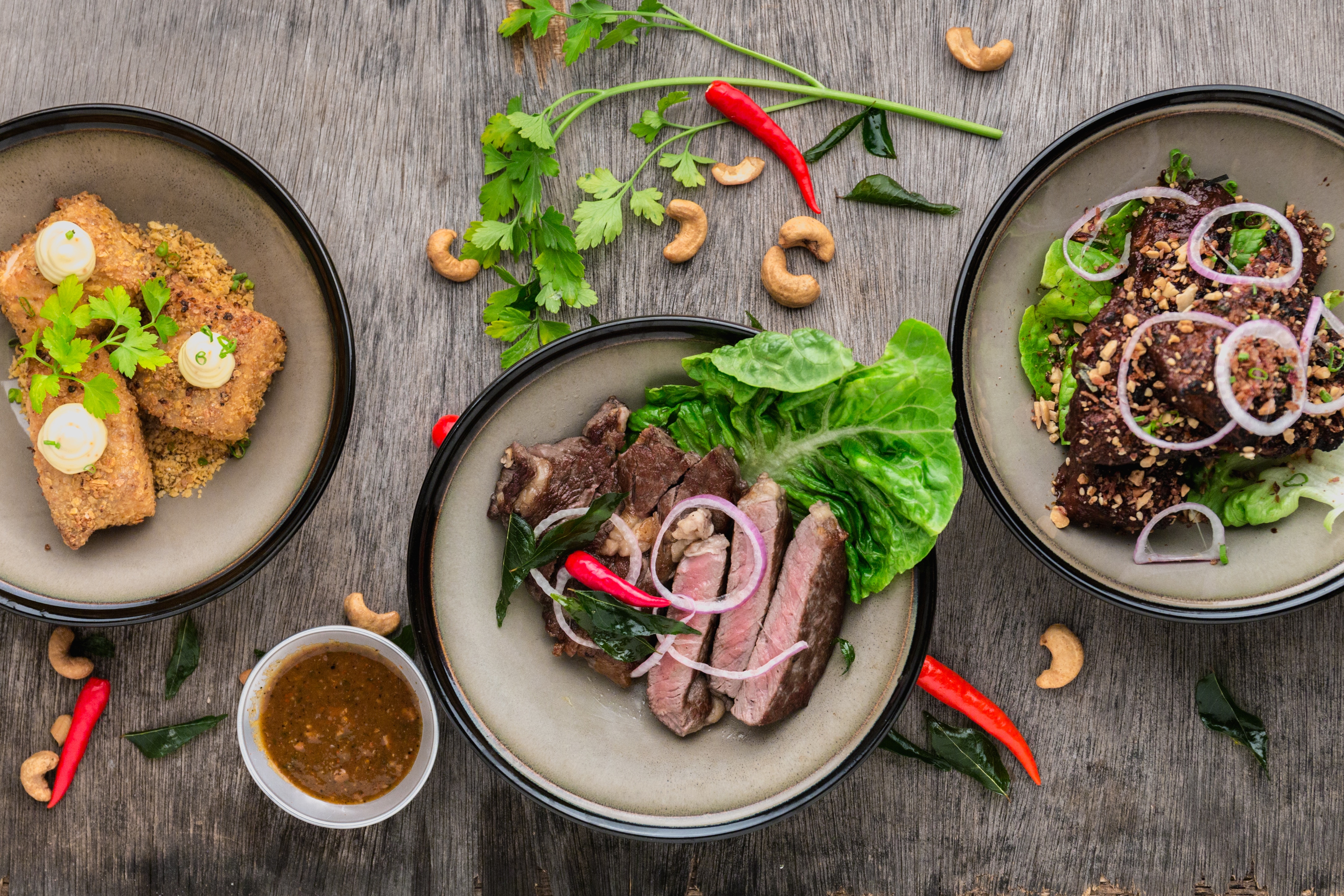
 Today, we are finishing up our 6th series. You have all the tools and knowledge to make the choices to optimize your health. How do you make it all happen? Here’s how to set yourself up for success. Make adaptations to make it your own. Here’s the basics.
 Want to learn how to immediately relax your body and focus your mind when your fight or flight response has been triggered – Naturally- without drugs or medications?
 Keep it simple.
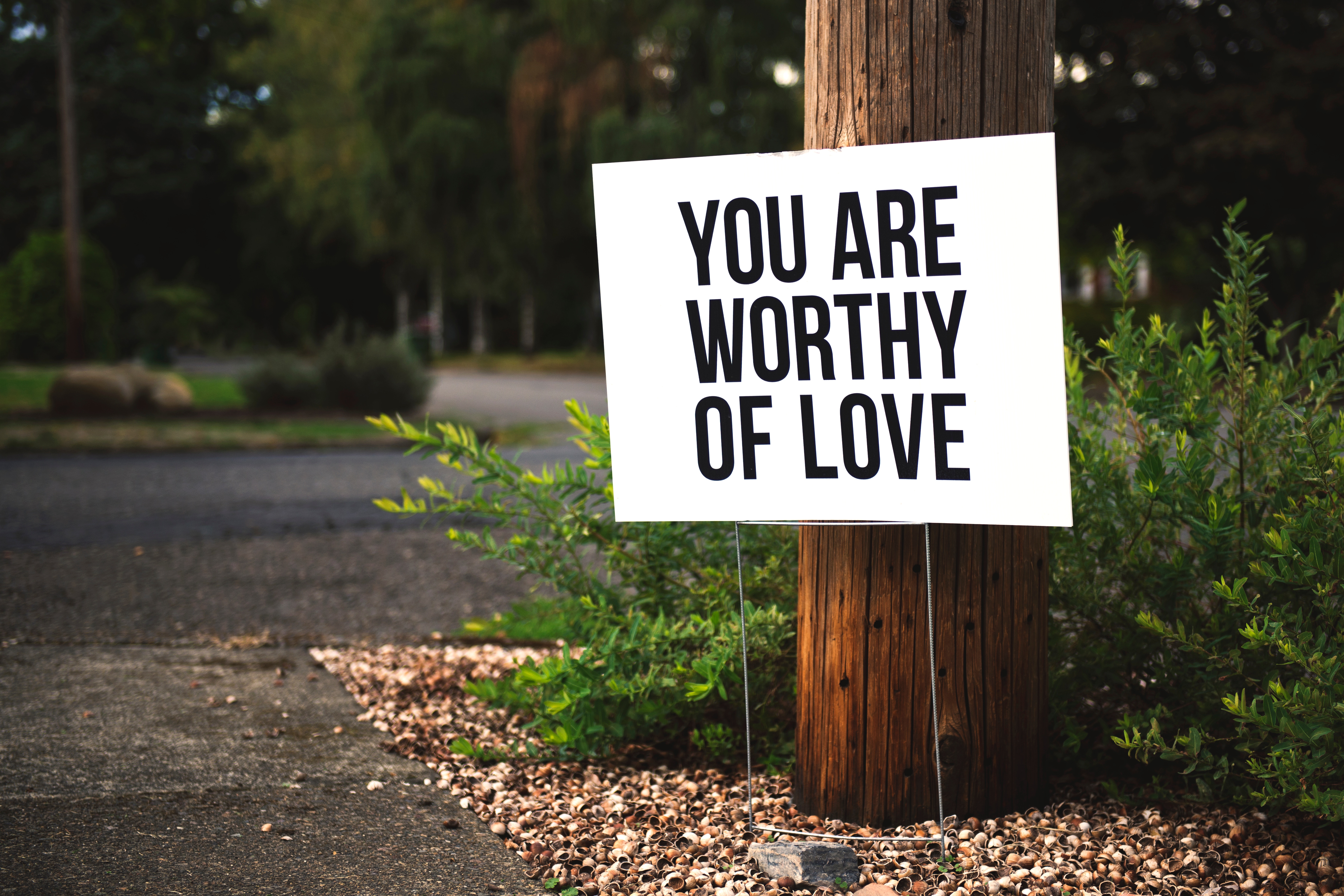 Words are powerful. I can see this when I am talking with patients, my children, my spouse and my friends and colleagues. In this post, I am thinking about how powerful words can be to someone who is scared, feeling out of control, or uncertain of what is going on. This situation is common in a doctor’s office and in the hospital where people seek help when something unpleasant is happening that seems to be out of the control of the individual seeking care.
 After residency, I decided I wanted to live within 10 minutes from my practice so I would not have to spend my precious time commuting to and from work. I moved within a 7 minute drive from my work, no traffic. I loved the extra time I had on either end of my work day. First, I was exercising more, cooking more dinners, and having time for grocery shopping. It was great! As time went on, I was able to fit other activities into that extra time and I could spend more time doing work-related activities. I could run a few more errands each day and I began taking on more work duties that could be accomplished in the extra time I now had.
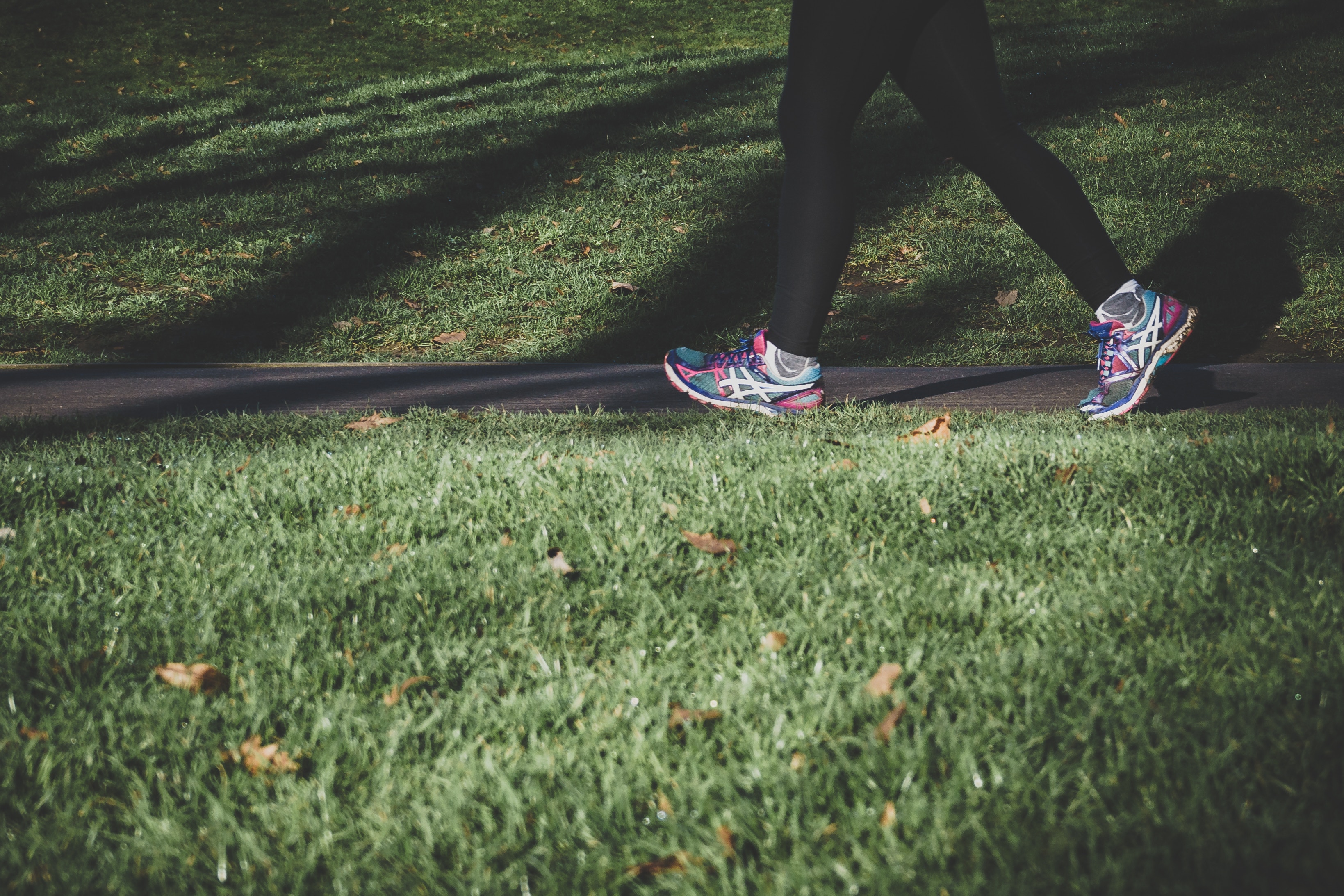 Recently, after presenting at Grand Rounds about exercise, it became clear that there are many physicians who appreciate the value of exercise and recommend it to their patients. It is impressive- the number of very busy physicians who are fitting exercise into their own lives, on a daily basis. We see what many people don’t see, the
  Hunger can be a natural physiologic signal from the body requesting more fluids or nutrients or it can be cravings (learned habitual behaviors) and pathologic symptoms of a mismanaged metabolism. We sometimes forget to check in and determine why we might be hungry.
 Health Booster