Healthier Together Series: Cycle 3D. Putting it all together — Power Recharge!

tracey-hocking-tq1J9imFJ3g-unsplashIn our 3rd cycle, we covered healthy responses to hunger, that little bits of physical activity count & add up, and the power of nature in our abilities to recharge. Here’s how it might look:

1. In the morning when you first wake up, drink a glass of water, maybe with a lemon. Or drink some tea. Or some coffee with a sprinkle of cinnamon. Spend some time walking (it can be a leisurely pace or as fast as speed walking), doing some enjoyable exercise (including the obvious like lifting weights, interval training, treadmill, biking, elliptical, nordic track, but free form dancing also counts!) or some other physical movements of the body (tai chi, yoga, pilates, Nia technique, Callanetics, etc.). If you wake up before others in your home, this is your GIFT time. It’s ALL yours, to spend how you want. I cherish this GIFT time in my life. I can choose EXACTLY how to spend it.

If you have beautiful nature nearby, you can take your activity outdoors, as is commonly done with Tai Chi, an ancient Chinese practice of coordinated physical movements that used to be a martial art for self defense. Moving your body outside in nature is a VERY nice way to start your day. Have another glass of water/tea/unsweetened coffee when you move onto the rest of your day. After your physical activity, have a breakfast with protein for better function later in the day. In nicer weather, have breakfast outdoors- what a dream!

Once this routine becomes your regular routine, you will find that this is a FANTASTIC way to start your day. It’s great to start out your day as your own perfect person, fully recharged and ready to face the day!

2. At work, when you would normally take a break to walk to the coffee machine/break room/vending machine/bathroom, grab a cup of water/tea/coffee and stand or walk a bit extra. Take a step outside if you can, or look out the window. At least move your body: This can be stretching your arms up high, arching your back (especially if you sit hunched over a desk or computer),  or bending forward at the waist to stretch out your lower back. You might pull out your travel yoga mat and do a floor stretch or two, maybe downward dog and plank pose? A sun salutation? You may take a walk by the potted plants or a window and shake out your legs, roll your shoulders. Bottom line, make an effort to hydrate and move and expose yourself to nature. If you are hungry, go for the protein snack you have as back up.

3. In many countries, people take extra “rest” time at lunch, commonly known as a siesta. In the US, we don’t traditionally incorporate that into our day, but we do commonly take a break for lunch. At lunchtime,  get as close to the outdoors as possible so that you can see the weather, you can see something naturally green or view the sky or a natural body of water. Spend at least a few minutes just seeing what’s “out there.” If possible, stand or walk in places you find peaceful or that allow you some exposure to nature. It can be surprising how enchanting this habit can be. To complete the picture, take a bottle of water with you on the lunch time walk outdoors. If you eat lunch AFTER your walk, you will be much more alert later in the day and you may find you make better food & drink choices. Choose water/tea/coffee, protein, and some non-starchy veggies for lunch & you are good to go.

4. In the evening, stay away from caffeinated beverages like tea and coffee. Drink water. Taking some time in the presence of nature, stop to connect with other people and give them your full attention. Taking an evening stroll with friends or significant other is a great way to do this. Having a meal with someone(s) you care about is also beneficial to your health. Think about, talk about, journal about the events of your day. Process your day…better with someone, but OK with nature. Think about what you learned that day and consider 3 things you are grateful for or appreciate. In this way, you will be refreshed and able to be recharged for tomorrow.

5. When you find you have greater time, unplug from the electronics and spend some time reading, writing, drawing, moving, singing, or communing with others- ideally in person. Sip some water or tea or coffee. Move around, walk a bit. This is the equivalent of “hanging out on the piazza” and recharging your soul. The more regularly this becomes a part of your life, the more relaxed and comfortable the rest of your life will become- the ripple effect.

Please send me your ways of bringing it all together.

Photo by Tracey Hocking on Unsplash

Healthier Together Series: Cycle 3C. Relaxation & Sleep — Missing Nature

behzad-ghaffarian-LBjA0WPtUhQ-unsplashAre you wired 24 x 7? Do you ever unplug? Maybe it’s all about missing nature.

We are busy. There’s so much to do & often, not enough time. When we are staring at a screen for much of our day (smartphone or tablet or TV or computer or movie or presentation), we are missing an opportunity to view nature, other beings in 3-D, in real life. We may be focused on driving to our destination or doing a task (often with electronics involved), we may miss the subtle beauty and appreciation of the world around us. We lose the ability to process and recover from our daily events and it becomes easier to close ourselves off to the joy and vibrant world around us and we may gravitate towards UNhealth: increased stress, poor sleep quality, more frustrations, poor nutritional choices, less time spent making healthy choices, increased blood pressure, more chronic disease issues, less enjoyment,  more depressed or anxious moods, diminished sense of humor, fewer interpersonal relationships, decreased sex drive and burn out.

In addition to meditation, journal-ing, listening to beautiful music, singing, dancing, physical activity, connecting with others (people/animals), one of the simplest ways to recharge is by spending some time in nature. Just being in nature. It has been shown that even having a picture of nature in plain site, improves overall well-being in those who see it, so imagine how powerful it is if you can see it in real life. All it takes is a few potted plants outside where you can sit or stand. Or a small path you can walk along with plants or pond or water along the way. A place where you can feel the wind on your skin and hear the birds or the waves or the movement of water or leaves.

This small but powerful exposure to nature doesn’t have to be exotic or take a long time or require time off from work. In fact, put some plants in your office or home. Put a cut flower in a vase. Step outside into the sun (or rain or snow) for a midday break. Take a walk in the woods or arboretum or park or neighborhood. Allow yourself to pause and notice the nature around you. Seeing and appreciating the natural world around you will nourish you. Think about whatever you want. Spend as much time as you plan – whether it is based on need, ability or desire. Nature accepts you as you are and you are part of nature. Remind yourself that you are human and it’s OK to take a small break and recharge.

Over time, if you allow yourself regular exposure to nature, no matter how brief, you will notice a small change inside of yourself. That internal flame, your life source can glow and grow. Then there’s the ripple effect. Things will start to improve. You will start to feel better. You can gain perspective, remember the beauty and awesomeness of nature and learn to love and accept yourself and others as nature intended. There is always change around us, and we can’t control it all and that is how life is supposed to be. We can more easily accept and adapt to those changes, improve our sleep, enjoy more relaxation and our continue to improve our overall well-being by allowing nature to recharge us. We are natural beings. Give nature a chance. You may just be missing nature.

Photo by Behzad Ghaffarian on Unsplash

Healthy Together Series: Cycle 3B. Physical Activity – It only takes a little.

toa-heftiba-fmQh9ouUofY-unsplashToday’s physical activity note:

Increasing your overall activity level adds up.

  • Stand instead of sitting if you can.
  • Tap your foot if you are sitting.
  • Use a stability ball in place of a desk chair.
  • Take the stairs.
  • Plan to walk or bike places instead of driving.

The more you move, the better.

  • Walking and getting up and down from a chair or seated position is very good for you. Stand up when you take a phone call or if you are on a conference call.
  • Go up and down steps or stairs- it is working against gravity and aging. Walk upstairs to use the bathroom on a different floor.
  • Dancing or swinging your hips is good for everyone. Solo or with a partner or in a class, great music makes it way more fun.
  • When you raise your arms overhead, it’s hard to feel bad or to cry. Smile at yourself when you reach up.
  • Stretch your arms  up and out if you’ve been staring at a computer screen or smartphone. You can feel your body open up.

Find ways to just increase your overall daily energy expenditure. Moving is what keeps your body and mind young and able to adapt to changes around you.


Photo by Toa Heftiba on Unsplash

Healthier Together Series: Cycle 3A. Nutrition — When you’re hungry…

josh-bean-i817tD8-Ly4-unsplashNutrition notes today:

How to stay in control and eat for nutrition and health and achieve a healthier weight.

Do you frequently have times when you make poor food choices because you were too busy or tired to prepare ahead or cook? It’s all about having a plan and easily available options for when you get hungry. Make a list and make it a habit to keep a few options on hand ALWAYS.

First, recognize that sometimes, it’s not hunger but boredom or loneliness or feeling bad in some way and needing to fill a void. A walk, connecting with nature, listening to music, meditating or journalling for 5-10 minutes may resolve the “hunger.”

If you are still hungry, drink water first. Add lemon or lime or cucumber slices and even mint leaves if you like. Thirst can present as hunger.

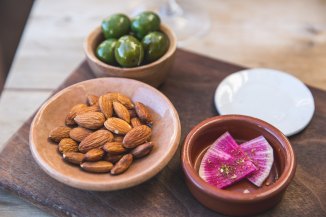
If still hungry, eat protein. If the thought of eating protein doesn’t sound appealing, reassess if you are hungry. Boiled eggs or some meat, chicken, turkey, canned fish, precooked shrimp can be easy to keep available. Make some extra chicken tonight and store it in the fridge in strips that can be eaten tomorrow as a snack dipped in dressing, on a salad, in soup or in a Romaine lettuce wrap (like a taco). Nuts and nut butters are also easy to have on hand.

If you eat some protein and are still hungry, eat non-starchy veggies- like celery, leafy greens, cucumbers, peppers, jicama, radishes, cauliflower, zucchini, etc. Crunchy seems to be more satisfying sometimes!

If you are needing something creamy, Greek yogurt, chia seed pudding, smoothie, hummus, or a nut butter works.

Want something cheesy? Have a cheese stick, cheese crisps or small individually wrapped cheese or real cheese dip for your crunchy veggies.

Craving chocolate? Dark chocolate covered almonds dusted with cocoa works wonders. This is also good when you want something sweet and/or crunchy.

If you HAVE to have fruit, a handful of berries are good.

Remember, most of us are chronically dehydrated- so drink water. When you eat, you are supposed to be nourishing your body with essential nutrients that are found in proteins and veggies. So if you are hungry, pamper your body with those essential nutrients.

Make your list of “Go To” foods and have a couple of them available regularly. Then, when you are urgently needing some nutrients, you will be able to fill that need without resorting to the foods that don’t nourish you and that you will regret later.

Photo by Josh Bean on Unsplash

Healthier Together Series: Cycle 2D. Putting it all together — What it looks like now…

Today’s post is an example of putting it all together.

No matter the time of year, we should nourish our bodies. This 2nd cycle included much of the basics of nourishing ourselves. After a brutal winter, I am definitely needing to make sure my body & mind has what it needs to continue to function at its best. Spring is here & I get the feeling of fresh beginnings and new blossoms.

At this time of year, in addition to looking for a new haircut, outfit or makeup, I reassess my nourishing health behaviors and make sure to keep moving forward. In one of my favorite books, Joe X, the author, Avery Hunnicut, notes that we are never just maintaining. We are either moving forward or moving backwards. If you don’t move forward, you will move backwards by default. So, of course, I choose to move forwards every day.

At this time, I make sure I am continuing to stay hydrated ideally with water. During the winter, sometimes I get into habits of drinking other fluids too, so often in the Spring, I switch back to more water. I have a couple of water bottles that I LOVE — they are bright and colorful & girly and cheer me up when I see them, so I take a swig of my water. Sometimes, I will add lime or lemon or some mint leaves to the water – my favorite is a squirt of lime in my ice water.

So, I drink an entire large water bottle of iced lemon/lime water with my workout in the morning on waking. I’m wearing my heart rate monitor while I work out and I am logging my “data.” I keep track of my daily activity with a FitBit.

Although I feel active at work, I notice on the day I don’t do any planned work out, on Monday, I am lucky if I walk 4,000 steps at work! Yikes! I guess I am NOT so active at work. Now that I know, on Monday evenings, I will incorporate an evening walk with one of my boys, my dog or my husband. I also have great music I can listen to if I want to walk alone. My goal: to make sure I bump up that number closer to 10,000 steps!

On my workout days, I definitely hit the 10,000 steps. If I seem to be going way over, then I don’t feel so bad if on Monday (my day off from working out), I log fewer steps.

In addition, I note that my baseline (resting) heart rate is low (which is good when due to regular exercise). I also monitor how long it takes my heart rate to come back to baseline (my recovery time- remember shorter time to recovery means better fitness) & am very pleased it is still improving. I’m also excited because I am able to do so much more with the same effort. I’m continuing to move forward!

Finally, I have to check my sleep. I use the Sleep Cycle app on my iphone. I notice a pattern: 2 nights a week, I get only 5 hours of sleep. The rest of the week, I am getting enough sleep. I feel extra good about this because one of the reasons I continued working out regularly was so that I could function just as well on less sleep (which leaves me an extra hour a day to do what I want). I had learned that when people are fit, their sleep-time needs decrease. I needed to function on less hours of sleep in medical school, so I knew I had to maintain my fitness.

In addition, to make up my 5 hours of sleep debt in the week, I found I can make it up on most Friday nights if I am not on call & don’t have Saturday clinic. Also, I can add 30 minutes over several other days in the week depending on the week- I just have to schedule it. And, I realized that I will need to make a conscious effort to get in bed on time so I get adequate sleep. The boys, my sexy husband, the iphone, emails, internet, books & journals are easy to get lost in…Time flies & next thing I know, I am cutting into my sleep time! Note to self: set a pleasant alarm to remind me to put all that away & get in bed! If I can’t sleep, I will meditate quietly.

Summary of Cycle 2:
1. Assess daily water intake and find ways to increase water intake. Attractive water bottles help.
2. Assess baseline activity level (count your steps every day) & aim to increase it 10% every 2 weeks (NOT TOO FAST) until your average number of steps is at least 10,000 steps or more.
3. Learn your baseline heart rate by checking first thing in the morning & then learn how much time it takes your heart rate to return to that baseline after you have been active or exercising. As you get more fit, the baseline gets lower and your body return to the baseline faster after strenuous activity or exercise. That is fitness!
4. Figure out your average number of hours of sleep over 5 days & make sure you get at least 7.5 hours of sleep per night on average. If you are sleeping less than 7.5 hours on average, then you need to make it up over several days and find a way to get adequate sleep in the future. Determine which nights you can make up your sleep on a regular basis…your “make up sleep debt” nights. These are often the days when you can sleep in as late as you need.

Healthier Together Series: Cycle 2C. Relaxation & Sleep — How much is enough?

jordan-whitt-EerxztHCjM8-unsplashToday’s notes are about sleep.

Everyone needs it. Your brain is very active during sleep & it helps process all the events of the day, create memories and it performs repair, healing, maintenance and building functions during sleep.   Without adequate sleep, our body & mind suffers. We make mistakes not only in our awake activities, but our body cannot repair, heal or perform maintenance or building functions as well and may also make mistakes. With chronic sleep deprivation, our body and mind starts to wear down from the daily stresses and we may develop mental & physical health problems including weight gain, chronic diseases, illnesses, depression, anxiety, fatigue,  etc.

At different times in our life and depending on different circumstances, our  needs for sleep will change. During times of intense brain growth and development, we need more sleep (think babies, toddlers, children & adolescents). When we are sick or have chronic diseases, we may benefit from more sleep as we need more time to repair, heal and maintain. When we travel across time zones or have shift work, we may need more sleep because we often develop a sleep debt (I will talk about shortly). We may need more sleep in the colder, darker months than in the warmer, lighter months.

The average adult needs 7.5 – 9 hours of sleep a night for optimal function. [**NOTE: If you are fit, you may be able to get away with less sleep as your sleep is more efficient.] Each sleep cycle is approximately 90 minutes and is divided into deep sleep stages and then REM (rapid eye movement) sleep stage.

Note that sleep is different throughout the night. In the earlier cycles of sleep, more of the 90 minute cycle is spent in deeper sleep stages which are restorative. Later sleep cycles have more of the 90 minutes spent in REM sleep, when you are dreaming. If you have missed sleep, your body naturally will try to make up the sleep stages it is missing, but it throws off your sleep balance and takes time to get back into your natural sleep/awake rhythm.

Overall, you want to maintain a regular sleep routine as much as possible. Remember how important your sleep time is & plan AROUND it as much as possible. Your mind and body will be in a better state if you get enough sleep because it will be able to do all the repairing, healing, maintaining and building functions it needs to to function at its best. Bottom line, you will feel much better and have fewer health issues if you allow yourself enough sleep.

So, prioritize sleep and make sure you get enough. How can  you get enough? First, assess your sleep:

1. Add up 5 days’ worth of sleep hours. (I get the number of hours of sleep from my smartphone app). If it is 37.5 – 45 hours, you are fine. If you have LESS THAN 37.5 hours total over 5 days, you have not given yourself enough sleep time.

2. You can also figure out the average number of hours of sleep over 5 days.  It should be at least 7.5 hours daily on average. (I add up the number of hours over 5 days & divide by 5. That’s my average number of hours of sleep each night.) The average is nice to know so that you can see how much more time you have to add each night in the future (after you have made up your sleep debt).

3.  If your your total sleep time is less than 37.5 hours OR your average number of hours sleeping each night is less than 7.5 hours, you have a sleep debt you need to make up. 

Good news: If you have a sleep debt ( you are sleep deprived),  you CAN make it up over several subsequent nights.  

Here is how you can make up your sleep debt:

1. Figure out how many hours you need to make up & make them up over the next several days. For example: Total sleep was 32.5 hours. You are short 5 hours. You will have to make it up over the next several days (not all at once!). You may have a couple of weekend days when you can sleep in a little longer or you may want to go to bed earlier.

Note, that in the example of total sleep = 32.5 hours (there is a sleep debt of 5 hours total), also means on average, 6.5 hours of sleep per night. You would want to plan to make up the 5 hours over the next several days, such as sleeping 8.5 hours each night for 5 nights. But also note that in the future, you will need to find a way to add 1 hour of sleep per night to stay out of the sleep debt. Adequate sleep is important so that you don’t burn out your mind or body and you can maintain optimal functioning.

2. If your sleep debt is more than 9 hours, you may need to allow extra make up sleep to catch up, maybe 10 or 11 hours of make up sleep over the next week to make up a 9 hour sleep debt. So don’t let the sleep debt build up! It pays to pay off the sleep debt earlier, before it adds up to too many required make up hours where it becomes harder to catch up!

3. If you have insomnia or cannot sleep, that’s ok. You will still benefit if you allow yourself to lay quietly for the time you have planned. Whether you fall asleep or not is not as important as turning yourself off to the outside world for a period of time. You can still allow yourself much of the restorative functions of sleep by closing your eyes and meditating or relaxing so that you do not have to respond to anything. Laying quietly or with some soothing sounds will allow your body some time to perform some of the maintenance and repair functions that might have been skipped due to lost sleep hours.  With regular routine rest times, over time, your natural sleep/awake cycles will coordinate with your timing needs and allow you to sleep as your body and mind needs.

Sleep is important. It’s the time your body takes care of you and gets rejuvenated, healed, repaired, tuned up and restored. Protect your sleep time and work to respect your needs for sleep. Prioritize it. Take care of your body and mind & they will take care of you! Humans were designed to be healthy!

Photo by Jordan Whitt on Unsplash

Healthier Together Series: Cycle 2B. Physical Activity — Look at the numbers…

andres-urena-qSw5XKtUyus-unsplashToday’s Physical Activity notes:

Numbers are real and give us a way to compare and evaluate things. They can help us keep track and improve our behaviors and processes in business and manufacturing and industry and science. Numbers are also helpful in our health. We look at heart rate, blood pressure, temperature, respiratory rate. We have people rate their pain level. We use numbers in assessing our risks for various diseases – ie. cholesterol, fasting insulin, blood sugar, hemoglobin A1c (representing an average of our blood sugars over 3 months), etc.

One way to assess your physical activity level and your fitness is to look at numbers also. In an earlier post, I discussed perceived exertion and monitoring heart rate. I recommend using numbers to keep track of what you are doing and where you want to go. Numbers are easy to monitor and helpful in setting goals and assessing your progress. Today, I recommend getting an idea of your general daily activity level & assessing your current fitness level.

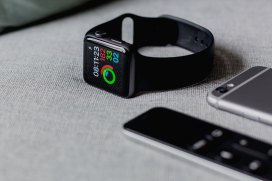
1. General daily activity level. Wear a pedometer or accelerometer or use an equivalent app on your smartphone or get the popular FitBit or Apple watch to get 5-7 days of numbers. Find out how active you are at baseline. If you workout regularly, wear it also when you are working out. If you do not workout regularly, then you will see how active you are at this time when you are not regularly working out.

It helps to get many days of numbers and average them out. (You can get the average steps in a day by adding up all the numbers and dividing that big number by the number of days you collected numbers.) If you are walking on average closer to 3,000 steps total in a day, that’s more like a couch potato. If you are walking 10,000 or more steps a day, you can say you are active and your body will have the healthy benefits of increased circulation.

The goal is to figure out where you are starting & see if you can increase that number by 10% every 2 weeks. (10% would be taking off the last number in your daily average. For example: If you walk 3,000 steps, you would need to increase it by 300 steps in a day at 2 weeks, so that you are walking 3,300 steps total in a day).

2. Assess your fitness. First, figure out your baseline heart rate. Ideally, you will check this when you have been sitting or even better, first thing on waking up. Use a heart rate monitor if you have one. OR You can figure it out on your own by doing this: Find a clock that shows seconds. Find your pulse on your wrist: palm up, on the thumb side, under your wrist crease and to the outside of that middle tendons on the wrist, you can feel your pulse. Some people gently feel their pulse in their neck. Count the number of beats in 15 seconds and multiply by 4. If you check it every day for a week, you will have a good idea of your baseline heart rate range.

As your fitness improves, this baseline heart rate actually will get lower. This is because regular movement & activity (often called exercise), strengthens your muscles including your heart, so it can pump more with fewer beats. It becomes very efficient with each pump. That’s why highly trained athletes often have VERY low heart rates.

Now that you know your baseline heart rate, you will find out how much time it takes for your heart rate to return to the baseline range after exercise or strenuous physical activity (when your heart rate was higher than your baseline). From the time you have finished your activity or exercise, time how long it takes your heart rate to return to your baseline. As your fitness improves, the time for your heart rate to return to baseline will become shorter. In other words, your heart can adjust that much faster and more efficiently to the demands of your body. This is fitness.

It is nice to assess these numbers every 4-6 weeks & write it down! It is SO motivating!


Photo by Andres Urena on Unsplash

Healthier Together Series: Cycle 2A. Nutrition – Hydrate

marek-levak-NEWFRkV4F3s-unsplashToday’s nutrition notes:

At this point, learn how to stay hydrated. Unless you have heart failure, chronic kidney disease or liver failure, or your doctor tells you to restrict your fluid intake, you will benefit from hydration.

Water is necessary for survival and optimum functioning of all of your body and cells. Many if us are in a chronic mild dehydration state. It’s hard to remember to drink water if you are running around and busy. Your body can function better if you rehydrate yourself.

You will know you have enough water if your urine is clearer and less yellow and you are going to the bathroom at least once every 3-4 hours while you are awake. The amount of water you need will vary, but you can know you need more water if your urine is getting darker or more concentrated in color.

When you first increase your water intake, you may have to go to the bathroom more often but your body (kidneys) will adjust. It may take a few days to adjust.

How can you increase your water intake?

1. Get a water bottle or other beverage container/glass you like. It may be colorful or steel or a certain shape. You may like straws if you wear lipstick and don’t want the lipstick mark on your cup/bottle.

2. Put your water in a visible location, easy to reach. You can take sips all day.

3. Make your water interesting. Try sliced lemon, lime, cucumbers, &/or sprigs of mint leaves. Try dropping some berries in your water. Make an UNSWEETENED herbal or green tea & have it hot or iced. You can try all sorts of teas and combos of fruit and herbs steeping in your water for infinite flavors. Some people have it chilling overnight in a large jug for the next day. In the morning, they take out the berries, cucumber, etc. before drinking the flavored water or pouring it into their water bottle to take to work, school or the gym.

4. Link a drink of water with a routine activity. For example, every time before you stand up from your desk, you might take a swig of your water. Or every time you check email, you will drink some water.

5. Log your water intake on an app on your phone or in a notebook and mark each time you have a drink and aim for a certain amount you know is right for you. This works well for people who like records of what they are doing, their progress.

Bottom line: find what works for you and stay hydrated! Your body will be able to better take care of you if you give it what it needs. Have fun with it!

Photo by Marek Levák on Unsplash

Healthier Together Series: Cycle 1 D. Putting It All Together — Midwest Winter

In this section, I am hoping to integrate people’s experiences and wisdom and/or offer examples of how we apply what we have learned. Please be sure to share your experiences and wisdom. This is how we can help each other and become healthier together.
*Disclaimer: Apps or links are listed as examples & do not necessarily represent the BEST ones or the only options. They are included to help you get started on your search for the right resources for you. So please share what you are using too.

Here is an example of putting it all together:

Scenario: Midwest. Winter. Cold. Darker earlier, longer. Work is busy. Traffic is terrible in bad weather- longer and more frustrating commutes. Not going outside much. Limited exposure to nature. See fewer people socially. Sleep is messed up. Craving and eating comfort foods that increase blood sugar and therefore insulin. Gaining weight. Getting more tired. Being less active. Feeling bad about not exercising, eating poorly and weight gain. Feeling progressively more down…sound familiar?

Thank goodness for Spring! However, what about all those months before Spring arrives?

Winter happens EVERY year. Plan for it. Let your healthy habits continue to help you. Many people schedule a break to warmer climates during winter or early spring (maybe too expensive for some of us), or they embrace it and find a physical activity that they can do in the midst of nature’s healing effects. Mental planning helps. Journal or keep a log of your observations. Here’s a plan:

1. Limit your new transitions that use up your activation energy and brain energy. You have lower reserves in the winter. Keep the things, people, activities that rejuvenate you and give you energy, maybe even increase the duration of exposure to them. Note: not adding more, just make it longer. It might mean eliminating some of the energy drains.

2. Maintain your healthy eating habits. In particular, keep the amount of white starchy carbs and sugars lower. This will keep your energy and mood up and also your weight stable! Stay hydrated- UNSWEETENED clear nonalcoholic beverages are best, like water or unsweetened tea.

3. Always continue your regular daily physical activity, especially in the winter. This is not the time to change it up or take a break. Start your day with a boost of activity- as little as 7 minutes will help you! It will save you from the winter blues and regulate your sleep and eating and your weight. When you are away from home or when there is a time crunch, try the 7 minute workout which you can find online. A sample iphone app: The 7 Minute Workout “Seven” with High Intensity Interval Training. There are MANY online videos that also show how to do the complete body workout.

4. Practice your self hypnosis to allow you to develop control of your mind so you can relax or sleep when you need to. When you are particularly stressed or if you have insomnia, it is nice to have your brain help you. Given the nights are longer, maybe you can use some of the extra darkness to practice relaxing the mind. 2 sample apps on the iphone: *Hypnopack. Has 5, 15, 20 & 27 minute programs and also can be used for other behavior change helpful for public speaking, anxiety release, studying & memory, etc. *Create Inner Peace & Calm with Glenn Harrold is another iphone app that many find helpful, has some free & some components you can choose but have to pay for.

5. Reach out and connect with nature and the people who energize you. This might mean taking a walk or snowshoeing in nature on a winter morning with a friend.

Bottom line: you can learn from previous experiences, what your patterns are and maximize the joy you get out of your life with a little planning. Taking care of yourself is a choice and it helps make the world a better place. And you deserve it!

Healthier Together Series: Cycle 1 C. Relaxation & Sleep — There’s an app for that…

Today’s Relaxation & Sleep Notes:

This group of notes will be geared towards how to relax, decompress, reduce stress and/or have more satisfying sleep. As a physician, I often have people come to me looking for a pill to help them relax or sleep or otherwise decrease their mental activity, quiet the mind. They are basically asking me for something to turn the brain’s conscious mind “off” or at least turn it down. Unfortunately, many of these pills are addictive or at least can cause a physical dependence. The media seems to promote these drugs as if everyone is taking it and it is “normal” almost to the point of making these pills trendy.

I am not a fan of pills if they are not necessary. And I am DEFINITELY not a fan of causing someone to become dependent on pills unnecessarily, and especially if there might be an alternative way to take care of them. Many of these pills, other than having dependence and addictive potential, can cause motor vehicle accidents, injuries at the workplace, allow misuse by “sharing or selling” it to others, and they take away your control of your own mind’s abilities to self regulate and calm itself. Also, over time, some of these meds require increasing doses as the body adjusts and needs more. They can have terrible withdrawal. In the worst cases, they can kill.

You can imagine, I wanted to learn other options for my patients–and initially, this search was prompted when I first started interacting with pediatric cancer patients and their family members. The children were scared, anxious or in pain or uncomfortable or dreading treatments. Also, their parents, siblings and close friends were having difficulties watching a loved one go through pain, procedures and fearing suffering and death. I wanted to be helpful.

I looked for options that would actually empower my patients and their families, improve their well-being, allow them to sleep, decrease their anxiety. I searched for options that would be able to be used on the road, at work, in the hospital, anywhere & whenever they needed it. I wanted tools that could be flexible – used for relaxation or for sleep, and that got more effective with time.

Fortunately, I went to a medical school that is progressive and understands the complexity of the human experience and appreciates an integrated model of providing health care. I had the opportunity over 3 years, to get advanced training in Medical Hypnosis. And guess what I found out? Using what I learned in my Medical Hypnosis training, I learned to teach my patients how to quiet their own minds. They learn how to train their own minds to relax, and if they want, to sleep!

Interestingly, there are apps for this also. The key is practice. How do you practice? Repetition.

I recommend finding a self hypnosis app or use Bud Winter’s sleep training or find a trained specialist who does medical hypnosis and chose a single method you like and use it regularly for a period of time. It will become more effective, and work faster, with practice. It’s a way of learning how to allow your conscious mind to talk to your subconscious mind. Once you learn the power of self hypnosis and develop the ability to control your own mind, you can accomplish anything. Relaxation and sleep will be within your mind’s control because you will have learned a way to quiet the mind.