Category Archives: nutrition

How to use tracking to design your personal weight loss plan, based on 1000’s of successful patients’ experiences.

  1. Find a tracking method that you will use– that is most likely the simplest. You can use an app, your smartphone camera, a computer spreadsheet, a notebook or scrap paper. You can change it in the future, so don’t worry if you choose to just write it down on paper.
  2. What should you track? When starting out, track the times that you eat or drink anything, even if it is a sip or just a lick to taste something. Include the tic tacs too. This gives an idea about the signaling patterns your body is used to right now. Also, next to the times, you should track what it is that you eat or drink.
    • Including the date and day of the week is useful because it may help you identify patterns in the future.
    • Including location is also helpful if you travel or have some days eating at home and some at school or work because that clarifies where the biggest challenges will be.
    • Quantities are less important, you don’t need those just yet.
  3. What do you do with the information? Track for at least 3 days and then review your data. See how you did by answering the questions below. You can see the goals for each of these to compare where you are.
    • What is the longest time you go without eating or drinking anything other than water, black coffee or unsweet tea? That’s your fasting window.
      • Your goal: Fasting window of 12 or more hours on most days. If not, you may want to work up to 12 hours.
    • What time you first start eating or drinking any calories or sweetened beverages and when you last have any calories or sweetened beverages? That’s your eating window.
      • Your goal: Eating window of less than 12 hours out of 24 hours. Contain your eating in 12 or less hours per day.
    • Count the number of times you consume sugar in each day, even if it is only a small amount. Notice the first time in the day that you consume sugar on most days. The earlier in the day you have sugar, the less time you get to be in fat burning mode because the sugar turns off fat burning for most people, unless regularly working out or active.
      • Your goal: Get the sugar consumption frequency as close to zero as possible so your body can burn fat, create more energy and your liver is protected. Also, if you are going to have anything with sugar, postpone it so you get the longest time of fat burning before you turn it off.
    • Make sure you are getting enough* protein most days to maintain optimal health including muscle, hormones and immune system. There are many kinds of protein (eggs, yogurt, cottage cheese, soy products like tofu and tempeh, seafood, poultry like chicken and turkey, pork, beef, lamb, legumes like chick peas, lentils, and black beans, etc.). Everyone has their favorites. That’s fine.
      • Your goal: *Get 3-4 servings of proteins per day. If you are working out, older age, frail or vegan, aim for 4 servings of protein. Otherwise, you may be fine with 3 servings. You probably want to include protein every time you eat. Hint: One serving for you is about the size of your palm – think hands without fingers or thumb.
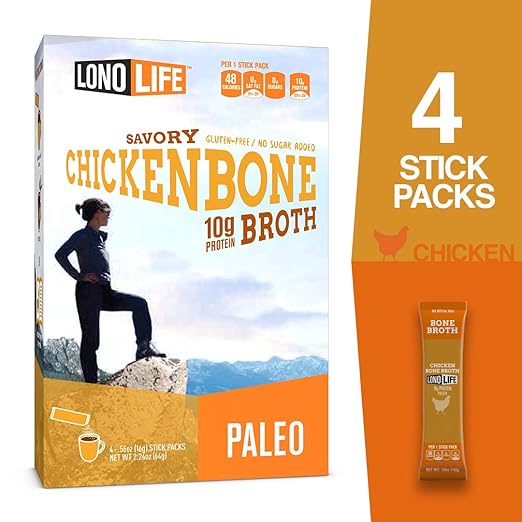
    • Look for the times you drink your calories. IF you are working to lose weight, it is best not to drink your calories unless it is a savory soup or broth. That includes sweet creamers in coffee, sweet tea, smoothies, juice, soda, alcohol.
      • Your goal: Limit the number of times in a week you drink your calories unless it is bone broth or other savory soup. Drink enough water so that your urine is mostly clear or a pale yellow and you have to go roughly every 3-4 hours while awake. Unsweet sparkling and flavored waters, unsweet tea and coffee are also fine. Try herbs, berries, lemon or lime or cucumbers in your water. A pinch of salt is fine too.
    • Make sure you get some fermented foods to feed your gut microbiome. Eating some of these foods daily may help your digestive system, your immune system and even your mental health.
      • Your goal: Consider adding fermented food like kefir, yogurt, pickles and fermented vegetables, kimchi, olives, miso, tempeh, sauerkraut, etc. to your diet on most days. You may find some favorites at your local grocery store or farmer’s market or find a subscription service like this one (I have no relationship with this company other than I order from them).
    • Check to confirm you have enough plant diversity in your diet so your gut is healthy and happy with soluble and insoluble fibers and so that you get all the vitamins and minerals you need.
      • Your goal: A minimum of 2 handfuls of leafy greens PLUS at least 1 handful of another vegetable daily. You can eat them any way.
    • Make sure your food log include omegas 3’s in your diet as a supplement or as food. There is evidence supporting their use for heart health, enhancing and improving mental health and cognition, helping wounds heal, reducing inflammation and supporting joints and even prenatal development.
      • Your goal: if you are eating fish like wild salmon (NOT farmed or Atlantic salmon), mackerel, sardines, herring, then you should be fine with 1-2 times weekly “doses.” If you are supplementing or getting a plant-based source like in chia, flax or hemp seeds and algae oil, best to take daily.
  4. Now you get to take make the tweaks necessary to optimize your nutrition to support your body’s best health and the weight follows as a side effect of getting metabolically healthier. With this new knowledge, continue to track and learn your patterns and where you have the greatest challenges. You can use your tracking data and work to achieve the goals listed for each item above. Rather than working on all of them at once, simplify it for easier and faster mastery by focusing on only one at a time starting at the top.
  5. Share your journey with a friend or group. When you have others to talk about your experiences, share recipes and favorite products and you cheer each other on, it’s super fun and a great way to bring people together around common goals no matter what else is going on in your life. Nutrition is one area you get to be in control most of the time and it directly impacts all the other things in life. Watch the weight respond over time, naturally. Watch the ripple effect. When your body feels great, you have the energy and confidence to live a fuller life! Enjoy and drop me a line.

Healthier Together Series: 7A. Nutrition – The importance of calories in

hessam-hojati-M4hazNIyTsk-unsplashWe’ve heard that weight is all about the calories we consume. In fact, someone recently shared with me that she felt betrayed. She had been successfully losing weight eating very low carb, and had not been counting or restricting calories. She had been feeling so happy about her progress and how easy it was and how she had so much more energy that she had now been regularly working out for over 2 years. However, she recently heard that eating very low carb or “keto” was effective for weight loss because it cuts calories. This whole time, she thought it was being low carb that worked, not the calorie restriction. She felt “tricked.” Have you heard this too?

Allow me to clarify. If you are eating carbohydrates and your waistline is enlarging or you are gaining excess weight or you have prediabetes or diabetes or PCOS or metabolic syndrome, you have insulin resistance. Insulin resistance means that your body produces excessive amounts of insulin for the same amount of carbohydrates you consume. So, if you eat carbs, your body dumps too much insulin into your blood stream.

High levels of insulin prevent your body from being able to access your back up fuel source – your fat cells. You will not be able to get fuel from your fat cells. This means that when you need fuel, you will need to provide fuel, to run your body, by eating or drinking it. You know the feeling- you will be hungry or get the munchies when your fuel in your blood stream starts dropping low. Again, you have to eat or drink calories the have the fuel to continue to run your body. If you don’t eat and your insulin level is high, you don’t have access to your back up fuel source, so your cells begin to panic. You get hungry, ravenous and feel your blood sugar dropping and feel very unwell. Eating or drinking carbs (including sugars) is the fastest way to “feel better” in this scenario.

Now, let’s go on the “common” diet of cutting calories or portion size. If you started out eating a standard American diet with lots of carbohydrates and then begin calorie restriction, or cutting calories or eating smaller portions, it usually means you cut back on the fats and eat mostly carbohydrates. Carbs spike insulin. This means you keep insulin pretty high and as a result, you starve those poor cells in your body. Your body doesn’t like starving, so it adapts and starts to cut back on its activities and slows your metabolism to “conserve” your limited energy. With this method of weight loss, weight loss is very difficult to maintain unless you continue to add more exercise and/or continue to cut calories. There’s a limit to how far you can go with this.

When someone pursues a very low carb or ketogenic diet, your body adapts to running on the ketones produced from burning your fat stores (it continues to make glucose too). Good news, ketones act as a natural appetite suppressant- so you don’t need to eat as much or as often. You just aren’t that hungry because with this method, your insulin levels stay lower. When insulin is lower, your body can burn fat for fuel when it needs fuel (burning fat for fuel instead of requiring eating for chronic re-fueling). Also, by eating a very low carb or ketogenic diet, your brain and gut can receive the signals that you are “full” when you eat fat and protein.

Ultimately, by keeping insulin levels in the naturally lower range, when you need fuel, you can easily burn fat for fuel, your appetite is decreased overall, and your brain and gut can receive signals and know when to stop eating. Voila! Less calories in, but it is because you don’t need or want them- NOT because you artificially put your body into a starving panic mode. VERY different reason for less calories in. VERY different body response to less calories in. Long term weight loss and weight loss maintenance is achievable. Pretty cool, right?

5 Food & Drink Tips for Performance & Wellness Despite Frequent Business Travel

eva-darron-oCdVtGFeDC0-unsplashDo you have to travel across multiple time zones for work? If so, you have multiple factors to consider. We will start with food and drink tips.

On your travel day and/or on the day you have to “perform,” maintain steady energy and power up your mind:

  1. Hold the sugar, wheat and alcohol. In addition to increasing your waistline, this causes your energy levels to fluctuate and also messes with your circadian rhythm.
  2. Stay hydrated. A water bottle can be refilled at many airports and at your destination. Drink lots of clear liquids, especially water or other unsweetened beverages like unsweetened tea, coffee (cream ok) or flavored sparkling water. Make sure you are drinking extra fluids when you are very physically active, in hot weather, or if you are high altitude, such as on a plane. You are mostly water, so keep the fluids flowing.
  3. It’s better NOT to eat if you are not hungry. If you skip a meal because there aren’t good food options for you, that’s ok- we call that “Intermittent Fasting”. *Note: If you take medications for blood sugars or diabetes, talk to your doctor about timing your medications and foods as you travel across time zone.
  4. The other option would be to pack travel friendly high performance fuels for those times when choices are limited. Have options that will satisfy your needs: salty, crunchy, creamy, etc.
  5. As a last resort, consider meal replacements (protein shakes) with monk fruit or stevia (ie. HLTH Code) as a sweetener or NO sweetener (ie. Naked Whey). Stay away from sucralose or fruit juice as they will cause you to be more hungry very soon after. Look at the nutrition label and confirm 25+ grams of protein per serving, NET carbs less than 5 grams. (NET carbs = Total carbohydrates in grams – Dietary Fiber in grams)

Have any other tips for eating or drinking while traveling, AND maintaining your steady energy and powering your mind? Please share.

List of Travel-Friendly High Performance Fuels – Low carb friendly, most are keto friendly too.

selective focus photo of desk globe

If you are traveling for work and you need to eat to fuel your body and mind, but won’t have always have time or access for healthy whole food choices and fresh vegetables, here are some options to consider packing for your travels.

***Remember that your essential fuels include water, proteins (amino acids) and fats. “Essential” means you have to eat or drink it because your body cannot make it. ***

This list was originally created for flight attendants who travel frequently, may not have access to many healthy food options and who need to be able to perform at their peak for long periods of time. Since this was originally created, there have been some modifications and many requests for copies of this list from business travelers, college students and medical professionals.

Proteins

  • Deli roll ups – freeze (thaw for first half or shorter trips)
  • Deli roll ups or cheese quesadillas made w/ Mission Carb Balance or FlatOut tortillas
  • Hard boiled eggs (invest <$20 in an egg steamer that will make easy peel hard boiled eggs) (requires refrigeration)
  • Deviled eggs (requires refrigeration)
  • Cottage cheese (on way to airport) (requires refrigeration)
  • Yogurt:
    • Oikos triple zero yogurt
    • Two Good yogurt
    • Chobani or Fage full fat Plain Greek Yogurt (optional add any: nuts, nut butter, cocoa nibs, hemp seeds, chias seeds, ¼ berries)
  • Shelf-stable cheese sticks
  • Babybel cheese, (requires refrigeration)
  • Cheese crisps
    • Whisps
    • Moon Cheese (Starbucks)
    • Make your own: microwave small amounts of cheese on parchment paper.  Or place the cheese mounds on parchment paper into the oven at 320F (160c) and bake for 5 minutes.
  • Starkist tuna & salmon packets
  • Bumble Bee Seasoned Tuna (with spoon)
  • Canned sardines
  • Bars
    • Quest bars (Avoid the ones with sucralose listed as an ingredient)
    • Epic meat bars
    • Just the Cheese bars (crunchy)
  • Vega One or Orgain protein powder (make or buy individual packets), add to bottled water
  • Trader Joe’s beef, turkey, or salmon jerky
  • Sabra Hummus packs

Fats

  • Dang or Bare toasted coconut flakes
  • Avocados
    • Whole
    • Wholly Guacamole mini’s
  • Adapt bars (small & filling, various flavors, keto friendly)
  • Nuts
    • Macadamia nuts, pecans, almonds, walnuts, brazil nuts, hazelnuts, peanuts
    • Blue Diamond flavored almonds
  • Nut and seed butters (almond, peanut butter)
    • Jif To Go Natural peanut butter
    • Rx nut butter (honey cinnamon PB, vanilla almond butter, plain PB-5 or 6 net carbs so limit to 1)
    • Justin’s almond or peanut butter (classic)
    • Yumbutter squeeze packs (sunflower, almond, peanut)
    • Soom tahini squeeze packs
  • Nut packs
    • Sahale snacks all natural nut blends
    • Imperial nuts energy blend
    • Patagonia Provisions savory seeds
    • Nut Harvest nut & fruit mix
    • Emerald salt & pepper cashew 100 calorie packs
  • Homemade trail mix
    • Combine your favorite: peanuts, almonds, walnuts, pecans, sunflower seeds, pumpkin seeds
  • Olives
    • Pearls Olives To Go!
    • Oloves (olives)
    • Mario Camacho brineless Snack olives
    • Trader Joe’s Handful of Olives packets
    • Olive Pickle Pak

Extras

  • Veg with salad dressing or dips that are NOT sweet.
    • Carrots
    • Cucumbers
    • Jicama
    • Radishes
    • Celery
  • Dill pickles
  • Trail mix extras:
    • Montmorency dried tart cherries, dark chocolate chips, or unsweetened coconut flakes
  • Chips and crackers and crunchy
    • Pork rinds
    • Trader Joe’s Roasted Seaweed Snacks (plain or wasabi)
    • Rhythm superfoods kale chips
    • Flackers
    • Splitz original crunchy split pea crisp snacks
    • Seapoint farms dry roasted edamame
    • Biena roasted chick pea snacks
    • Saffron Road crunchy chickpeas
  • Smoked salmon wrap– put smoked salmon in iceberg lettuce, add avocado, a few capers and cream cheese
  • Lark Ellen Farm Grain Free Granola Bites – Vanilla Cinnamon
  • Norwegian Baked Knekkebrod crisp bread

Other options

  • Qi’a Superfood Organic Hot Oatmeal in creamy coconut
  • Crepes: Crepini Egg White Thins
  • Emmy’s 2 oz. lemon ginger macaroons – spicy and sweet
  • Lindt 70% dark chocolate
  • Unreal dark chocolate PB cups
  • GoPicnic Ready-to-Eat Meals
  • Cocoa Nibs
  • Instant chocolate mousse– blend 1 avocado + 1 tbsp cocoa powder (unsweetened) + sweetener to taste
  • Trader Joe’s Organic coconut sesame clusters snack
  • Whole Foods 365 Candied Walnuts
  • Hu Get back to Human Chocolate covered hunks (chocolate covered cashews)

Drinks

  • Teas such as Tazo, Yogi, etc.
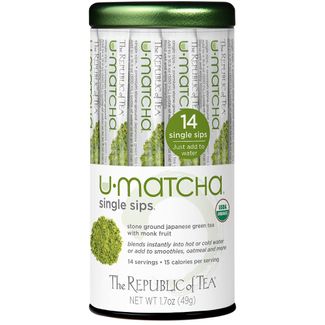
  • Instant Green Tea Powder (mix with water)
  • La Croix (Flavored sparkling water)
  • Bubly (Flavored sparkling water)
  • Starbucks VIA instant coffee
  • Half and half pods
  • Fruit in water bottle to infuse water
  • SeedLip (non alcoholic, “liquor”)

Condiments

  • Salt and pepper packets
  • Hot sauce packets
  • Mayonnaise packets
  • Mustard packets
  • Everything bagel seasoning
  • Tajin

Drink List for travelers – keto & low carb friendly.

Water is fine. But when you want a little something else, here’s a starting list of drinks that are weight neutral and will work well on the road.

First: Find an easy travel (water) bottle: collapsible vs. roll up vs. solid stainless steel for hot or cold drinks. Then, have a few options to change up your drink options.

TAZO Awake English Breakfast 20CTTAZO Zen 20CT

Turmeric Ginger 50 countMatcha Super Green 50 count

matcha travel packs

 Organic U•Matcha® Single Sips®


Airplane Photo by Eva Darron on Unsplash

Healthier Together Series: Cycle 6A. Nutrition – If Food is Medicine, “What should I eat?”

lily-banse--YHSwy6uqvk-unsplashKeep it simple.

INCLUDE  What Your Body NEEDS:

  1. Water
  2. Protein
  3. Colorful and non-starchy Vegetables
  4. Fats

Whole grains and whole fruit may be beneficial in specific doses depending on your weight, exercise routine and other health conditions.

AVOID  What May HARM Your Body:

  1. Sugars of any kind including high fructose corn syrup, agave, natural sugar, etc.
  2. Processed foods including enriched wheat flour, white flour, corn meal, etc.
  3. Sweet beverages & Juice including 100% fruit juice.


Photo by Lily Banse on Unsplash

Healthier Together Series: Cycle 5A. Nutrition – How To Manage Your Hunger – 10 Things to Know

melissa-walker-horn-lo_udD1o_lk-unsplashHunger can be a natural physiologic signal from the body requesting more fluids or nutrients or it can be cravings (learned habitual behaviors) and pathologic symptoms of a mismanaged metabolism. We sometimes forget to check in and determine why we might be hungry.

NATURAL & HEALTHY HUNGER SIGNS:
1. Dehydration. In most cases, this can be managed by drinking water.

2. Need to replenish nutrient supply.  For most people, eating a variety of colors of vegetables and supplementing with protein, will meet all the body’s nutritional needs. Make a list of easy naturally nutrient rich snacks that you can have readily available – then you can make healthy choices when you are hungry and need to replenish.

HUNGER SIGNS TO BEWARE OF:
3. Insulin resistance. If your waist line has grown since after highschool and you are not pregnant, you are developing or have developed insulin resistance. As we age, we also naturally become more insulin resistant. This means that our body over-reacts to sugars and carbohydrates in the diet which leads to a roller coaster ride of high and low blood sugar levels which lead to fatigue, mental fog & “the munchies.” Solution: Drink water, Eat protein or leafy vegetables when hungry and avoid sweetened or carbohydrate heavy foods.

4. Poor food choices earlier (ie. starting your day with sugar or processed carbs). Eating sugar will cause you to crave more sugar later in the day. Sugar can trigger the same area in the brain as heroin. It IS addictive. Solution: Avoiding it is the best way to manage being losing control. Make smart food choices. Start your day with protein instead of sugars or starchy processed carbohydrates. Choose whole foods.

5. Some medication and illicit substances (ie. marijuana). Some medications and illicit substances make people hungry and eat more, usually poor quality foods like most fast food. Solution: If your meds are making you want more broccoli, that’s great, but if it makes you get “the munchies” or you notice weight gain, have that important discussion with your doctor to see if you can find a way to manage it. Also, when you get “the munchies” or are hungry, drink water, eat veggies, nuts, or a cheese stick or have a light soup.

6. Boredom. Solution: Find something to do that is NOT related to food. Do something physical – take a walk, stretch, dance, move. Connect with family or a friend. Journal, garden, read, play solitaire, play a musical instrument, work on a hobby or create something artistic, etc.

7. Emotional unrest. Solution: If you are an emotional eater, it will be important to find new ways to soothe yourself. Consider finding a counsellor to help you process and learn better ways to cope. Find other healthy outlets – take a walk, spend time in nature, contact a friend or family member who nourishes you, spend time with you pet, listen to soothing music, learn meditation, go to a religious/spiritual place.

8. Habit (ie. before bedtime or while watching TV/movie). If you link certain activities or times of the day with eating/drinking, this is a habit and can be challenging. Solution: The best way to change that habit, it to create a NEW (more desirable) habit to replace the old, undesirable habit. For example, instead of having hot cocoa after being out in the cold or at bedtime, have some hot rooibos tea which is caffeine free and deliciously different. Instead of buttered popcorn with a movie at home, try berries or baby carrots. Keep healthy snack options easily available for “break time” at work- have salty, crunchy and “creamy” options available.

9. Seeing or thinking about food/drink you like. Having a variety of options to eat actually has been shown to increase the amount of food we eat. The larger the plate, the more options of different foods at any time, we eat more and sample more. Solution: Use a smaller plate. If you are sampling, think of the size of your stomach when not-too-full (the size of your fist), and look at the total volume of food you have on your (smaller) plate. STOP adding to your plate when it exceeds the size of your stomach. If you have more foods to sample, take less of each item so that you are not OVER-stuffing your stomach as it would not feel good anyways. Really, if you look at your plate and wonder how that would fit in your body, it’s too much. It’s ok to leave food on your plate. Note: Raw leafy greens shrink dramatically when chewed up, so you can be liberal with raw leafy greens!

10. Worry that later you won’t have time/opportunity to eat (ie. busy schedule). How many of you are “go-go-go” all day long and time for eating is a luxury? As a physician who may be running behind because of an earlier unexpected patient emergency, I hear you. Solution: Keep that stash of quick, healthy food/drink readily available, ALWAYS. Nuts, cheese stick, baby carrots and hummus, celery sticks and almond butter, whatever. Remember, IF you are unable to eat, as long as you are drinking, you are going to be fine for several hours. In fact, if you do not eat, but you maintain proper hydration, worse case, you will have to eat later than desired. However, your body starts to draw energy from your personal fat stores. Unless you are medically underweight, you should be ok to be burning extra fat on your body until you can eat later in the day.

Do you have other times you “hunger” triggers? How do you manage your hunger? What are some of your snacks you keep on hand?

Photo by Tim Mossholder on Unsplash

Healthier Together Series: Cycle 4D. Putting It All Together – Winter Well-Being

aaron-burden-cGW1w-qLix8-unsplashWinter in the Midwest – ice cold this year, but we don’t have the 7+ feet of snow as in Boston. The cold and darkness of winter are often used as excuses as to why someone is not exercising or eating as healthy. It’s used to explain “loss of motivation” to continue to make healthy choices. This “motivation” and “effort” may resume for a short time after the NEW year, but often dwindles away again until the days get much longer and warmer.
Here’s another option. Have “seasonal” wellness plans! Figure out what you need to include to maintain a healthy lifestyle: nutrition, physical activity and relaxation & sleep. There are many ways to incorporate those into each season. They don’t all have to be the same. In fact, the body will be optimized if you change it up periodically, so why not with the seasons? So change up your healthy lifestyle routines for the different seasons.

Here are some suggestions to get your creative juices flowing…Find what works for you.

If you workout in the mornings in the spring and summer, maybe in the winters, you meditate in the morning for a shorter duration than what your workout would have been? Maybe your workout is on the drive home from work or school or running errands- when you already are out of the house. Just DON’T go home first without the workout (as it can be hard to motivate to go out into the cold). Or maybe your workout is at home instead of at the gym. Maybe you use home workout DVD’s or smartphone exercise apps? The workout routine might be different – you may work more on strength or core training or take a different exercise class this season. If you have snow, you may choose to incorporate winter sports into you life – ice skating, skiing, snowboarding, snow shoeing, etc. A good friend introduced me to snow shoe-ing last year, and it’s wonderful! What a treat to be out in nature and having the brightness of the snow recharge me!

You may choose to rely on the crockpot more (especially if you are going to be working out after work and have less time to cook in the evening). You may get more of your veggies in a soup or stew. These also make great lunches the next day! You may cook more winter root vegetables- they last longer after purchase (less frequent grocery shopping trips).

The winter seems to have more quiet times of the day when it might be easy to stop and meditate, even if only for a brief time. There are many smartphone apps that help facilitate and time meditation sessions. You may even find incorporating meditative activities with physical activity is the answer for winter – Tai Chi and Yoga are popular ways to get both the relaxation and physical activity in one.

Sleep changes with the seasons and with stressors. Allow yourself to have a day once a week, when you can sleep in as much as you need. It will help you bring it all together and help keep your mind young and keep you upbeat throughout winter.

Please share what works for you!


Photo by Aaron Burden on Unsplash

Capsule Nutrition = Meal Prep

brooke-lark-jUPOXXRNdcA-unsplashI love the idea of capsule wardrobes. So I thought, why not capsule nutrition? How about the essentials same shopping list (change out seasonal fruit & veggies) & change up the meals? So easy! Also, make recipes/prep short or able to be done ahead of time when you have more time or motivation. Consider once weekly grocery shopping- so foods that don’t last as long, would be used earlier in the week after grocery shopping…AWESOME. That’s the dream. So, I came up with the capsule nutrition plan’s grocery list.

Capsule Nutrition: What you need – Create your own list of the basics to have on hand for healthier nutrition. Here’s my list: 

Produce for the week (Varies with season & preference):

  • Green leaves – 2+ cups per day per person. Eat the flimsier green leaves earlier in the week as the heartier leaves last longer.
    • Lettuces – various kinds, Romaine hearts last longer
    • Kale, Spinach, Swiss chard, Collard, turnip or mustard greens
    • Parsley, cilantro
    • Salad packs – check the expiration date
  • Avocados, lemons
  • Additional veggies that looks good to you – 2 cups per day per person. Consider: cucumber, broccoli, cabbage, cauliflower, brussel sprouts, zucchini, summer squash, eggplant, mushrooms, celery, tomatoes, etc. etc.
  • Fruit – approx. 1 handful per day. Berries are extra nutritious.

Enough for 2 meals daily, some combination of (Varies with availability & mood & season):

  • Fish (Fatty, wild) – 2 days of week
  • Poultry (chicken, turkey, etc.)
  • Meats (beef –grassfed, lamb, pork, bison, etc.)

Dairy for 1+ week (if you are including dairy in your diet):

  • Cheeses – individually wrapped are easy for packing and for quick snack
  • Whipping cream – organic
  • Butter – organic
  • Greek yogurt – plain – enough for 1 week. Individual packed are easy for portion control & for packing
  • Eggs – pasture raised – 2 dozen. Older eggs are easier to peel (remember to boil with 1tsp baking soda or if steamed in an egg steamer!).

Keep stocked:

  • Salad dressing (No sugars or high fructose syrup. Avoid diet dressings)
  • Olive oil, coconut oil
  • Mustards, vinegars, capers
  • Seasonings: pick your favorites. Some of mine: Greek seasoning, garlic salt with parsley flakes, Malden sea salt, black pepper, red pepper flakes, dried parsley flakes, soy sauce, thyme, ground ginger, cinnamon.
  • Nut butters – like almond butter, peanut butter, cashew butter. Make sure they are without additional ingredients other than salt. This usually means the oil separates and you will have to stir it when you first open the bottle.
  • Various nuts (almonds, walnuts, cashews, pecans, hazelnuts, peanuts, etc.)
  • Old fashioned rolled oats
  • Unsweetened coconut flakes
  • Bittersweet chocolate chips
  • Flaxseed
  • Chia seeds
  • Almond flour
  • Coffee
  • Tea – various

Frozen- keep stocked:

  • Veggies (chopped onions, peppers,  & greens such as spinach, green beans, peas, edamame, etc.)
  • 1 bag Berries
  • Ezekiel bread (if bread is part of diet)
  • Low carb tortilla

Photo by Brooke Lark on Unsplash

The 5 Keys to Incorporating Morning Exercise & Healthy Nutrition – How To Guide

stil-N9uOrBICcjY-unsplashPrioritize your health. Learn to plan and to follow a plan successfully. Make “Success” your habit.

1. Develop a PLAN. Every 2 weeks: Plan exercise in 2 week chunks. Make your exercise plan every 2 weeks.

  • Sit down with notebook and calendar.
  • Write how many continuous weeks you have been exercising as planned.
  • Review how the last 2 weeks went & determine how you change your workout or advance it for the next 2 weeks.
  • Write down what you learn from your review.
    • I total the calories I burned in the last 2 weeks and the total minutes exercising.
    • I make notes of what I want to do differently or if I will try a different exercise or weight.
    • I note if certain music correlated with more enthusiasm or a better workout.
  • Then write what you will change for the next 2 weeks, such as increasing the weights you were benching or the incline on the treadmill or the lower body exercises you are going to do in the upcoming 2 weeks.
    • I write my plans for improvement
  • Look on the calendar and note any significant scheduling challenges in the next 2 weeks (such as travel).
    • I might move a harder workout to a better day fo th
  • Look at the next 2 weeks and pick 5 days each week that you CAN workout in the morning. PUT IT ON THE CALENDAR exactly when you will work out. Include time for your shower, blow dry, etc. and your commute if applicable.
    • For example, I am least motivated to workout on Monday mornings and Friday mornings- so those are my “flex” days when I don’t plan to work out. The rest of the days of the week, I will plan a workout. I figure out when I have to be on the road to work & I schedule my workout 2 hours before I go off to work. 2 hours gives me time for my planned workout & shower & getting ready for work & eating breakfast. If I will be travelling or have a particularly EARLY morning, I may move one of my workout days to Monday and/or Friday– my “flex” days.
  • Make sure there is NEVER 2 days in a row without a work out.
    • For example, I have been following my plan and working out Sat, Sun, (Mondays are off),Tues, Wed, & due to a family emergency, I miss Thursday (which is my usual workout day), I will make it up on Friday (instead of taking that off as would have been my usual). So, Mondays & Fridays act as my make up days, my “flex” days.

2. TRACK it. Every Workout Day: Log every workout in the notebook on the day you work out.

  • Log at a minimum: date, time, what you did.
    • I log my weight & my heart rate (HR) monitor data: average HR, maximum HR, calories burned. I also take a minute to rate how motivated I was prior to my workout (scale 1-3) and how much effort I put in (scale of 1-3).
  • Jot down any notes on the past 24 hours including today’s workout .
    • I might reflect on how much I was yawning during my workout & recognize that it is because I ate so many starchy carbohydrates yesterday. Basically, by reflecting, I am learning to read my body and understand how I am feeling and how to optimize my daily function and happiness. It is kind of like mindfulness meditation.
  • Review what you will do tomorrow & make adjustments as necessary based on your reflection of the past 24 hours and how you are doing today.

Again, prioritize your health. Learn to plan and to follow a plan successfully. Make “Success” your habit.

  • KEY POINT: Once it is planned, you do not deviate from the plan unless you “plan” to deviate from it at least 1 day prior to the event. Here is an example using your workout plan: you planned to work out Upper Body on Tuesday, Lower Body on Wednesday, Upper Body on Thursday. Tuesday goes great. On Wednesday, after your Lower Body workout, you realize your Upper Body is not going to be ready to do the workout that was planned on Thursday. On WEDNESDAY, you can ADJUST your original Thursday workout plan, while you are reviewing the next day’s workout. You should change the workout plan for Thursday on that Wednesday- maybe you decide you will just walk on the treadmill. Now, when you wake up on Thursday and get ready to workout, your notebook tells you the plan is to walk for 20 minutes at a brisk pace. Fine. You are still ON PLAN and being SUCCESSFUL. You know the adjustment was thoughtful and deliberate instead of because of your “mood.” You are training yourself to be healthy and successful and feel good about what you are doing.

3. Have a BACK UP Plan. ALWAYS makeup any missed workout with SOME movement.

  • If possible, even if the workout will be missed, consider doing at least 5 minutes of some physical activity that will boost your heart rate.
  • 8Fit is an app with quick body weight exercises that can be done without any equipment in a small space- even a dorm or hotel room.
  • From the example above, that upper body workout that I planned not to do on Thursday, I will plan to make it up on the Friday morning. I put it on the calendar. I will also note that when planning my next 2 week workout schedule, I will need to reconsider if I need to change my workout pattern, the weights or the exercise(s) I am doing.

4. Keep meal planning simple. Have a plan for your basics (as back up in case you don’t have more exciting meal plan available) & modify as necessary. Here is an example of mine using drive thru which is on way to work :

  • 4 Breakfast options – availability and convenience are key, I don’t have to think about it.
    1. At home: Eggs with baby spinach, mushrooms, feta cheese with avocado &/or tomato slices or other veggies. Tip: Make Omelette Muffins. Mix up a large bowl of 12 eggs with a handful each of: chopped vegetables (left overs from dinner the night before are fine), chopped ham/bacon/sausage/lox (optional), and grated/crumbled cheese (cheddar, swiss, goat, or feta cheeses work great) and pour into greased muffin tins. Bake at 350 degrees for 20 minutes into omelette muffins. Store in the fridge or freezer for quick grab and go breakfast options that can be eaten cold or heated up.
    2. Home or easily transportable: Omelette muffin (above), Chia seed pudding or Plain Greek yogurt with 1 Tbsp unsweetened coconut flakes, dash of cinnamon and 2 Tbsp almond butter. Bonus additions: chopped pecans or ground flax seeds or Chia seeds too. Occasionally, I add 1/4 c. fresh berries. If weight or carbs is not an issue for you, you can add 2 Tbsp Old Fashioned Oats and/or 6 bittersweet chocolate chips.
    3. Traveling/On Road/No Kitchen/No Time: Drive thru breakfast sandwich or wrap with at 2 eggs (ask for the extra egg if it only comes with 1)- key when I am not able to eat breakfast before leaving the house and the boys ate the last of my prepared breakfast options.
    4. Anywhere: Large iced or hot coffee with cream with plan for midmorning “snack” or  late brunch out or just plan “not hungry.” Tip: If you make your own coffee at home, add cinnamon to the coffee grounds to jazz it up.
  • 3 At-Work QUICK Lunch Options:
    1. Time crunch day- no time to prepare or plan or grab a salad: In my work refrigerator: plain Greek yogurt, almond butter, cheese, boiled eggs. Will mix up yogurt, nut butter and nuts (always in my bag) for protein power lunch.
    2. Bring from home: salad or prepared salad pack & leftover protein from dinner night before or salmon or tuna pack. Often, I add cheese crumbles and/or avocado to the salad. Salad dressing at work.
    3. In a Rush/Out of Groceries at home: Drive thru Cobb or other salad with chicken, egg or other protein on top with unsweetened iced tea.
  • Dinners Vary. Make extra for lunch the next day. Always have protein & non-starchy vegetables. If no salad earlier in the day, I will have one with dinner on most days.
  • Drinks: Drinks are water, black coffee & unsweetened teas.
  • Desserts: Dark chocolate and berries and unsweetened fresh whipped cream,  individually or in various combinations, are favorite desserts. Nuts and cheese make a nice crunchy/savory option too.
  • The Day OF my plans to go out for dinner: If I am going out for dinner, ie. on Friday, I eat breakfast later and then nibble some cheese, handful of nuts or celery with peanut butter in the afternoon if I get hungry before dinner.
  • Eating out: Majority of the time– keep it simple with protein & veggies. Replace the bread/fries/potato with side of veggies or salad. If I had a great workout and did not eat any sweets or starchy carbs earlier in the day, I may share a dessert.

Keep your nutrition plan simple and easy to keep track of. Eat lots of veggies and eat your protein and stay hydrated. You don’t need to spend energy thinking up new ideas or figuring out what you need to eat when you are in a panic or have limited choices. Plan ahead and be prepared. Follow your plan.

5. Develop Self Compassion. Perfection is not the goal. You are human. Striving towards excellence as a human, as the most perfect version of you, means that sometimes, there are deviations. In those moments, practice saying to yourself: “I am doing the best that I can, right now.” Then, let it go.

Tomorrow, you can choose to reflect and learn from it. Ask yourself if there was something you could learn from that experience. For example:

  • Reflect: Was there something, a person, an event, a place, that triggered the deviation or altered your plans?
  • Learn: Is there anything you can do differently in the future under similar circumstances?
  • Reaffirm: Repeat to yourself, “I am doing the best that I can, right now.” Then, move forward as a wiser and more prepared You.

Summary: Prioritize your health. Learn to plan and to follow a plan successfully. Make “Success” your habit.

This post is in honor of my mom.

Photo by STIL on Unsplash